


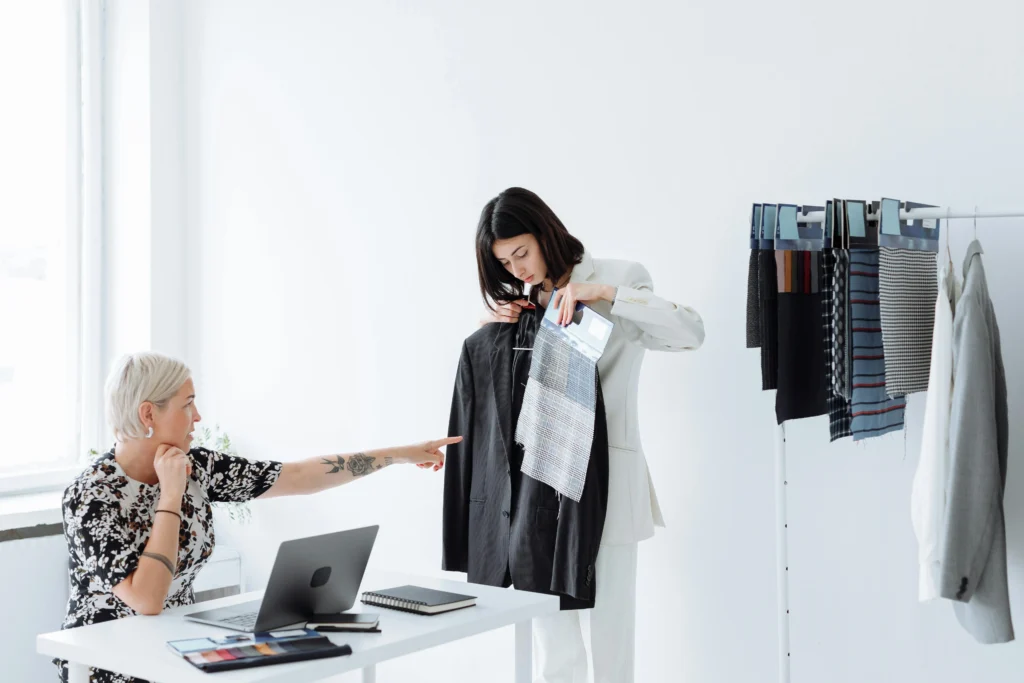
Fashion consulting (or having a fashion guide/brand buddy/style coach) gets a lot of myths floating around. Some people think it’s Fashion consulting (or having a fashion guide, brand buddy, or style coach, whatever you want to call it) comes with a lot of baggage. Some people picture a stiff, expensive consultant with a clipboard, telling you your ideas are wrong. Others think it’s a luxury reserved for brands with seven-figure budgets.
None of that holds up once you actually look at how fashion consulting works day to day. Let’s break down each myth, look at what really happens instead, and give you a few simple ways to check whether you might benefit from a little outside guidance, even if consulting still sounds intimidating.
Myth 1: Fashion Help Is Only for Big Brands
A lot of people think, I’m just starting, I don’t need a fashion guide. Totally understandable, but not true.
Even solo designers and one-person Etsy shops get real value from a little guidance. A brand buddy can help you:
- Find your brand story
- Pick colors and fonts you actually love (and that fit you)
- Plan your first collection so it doesn’t feel scattered
- Decide how to show up online
And no, this doesn’t require a huge budget. You don’t need a retainer or a six-month contract to benefit from this kind of input.
A quick example: Picture a new accessories brand with handmade tote bags, three colorways, and no real direction yet. The founder has been posting product photos for months with barely any engagement. After one consulting session, it turns out the problem wasn’t the product; it was that the brand looked like five different brands depending on which post you landed on. One photo was moody and dark, the next was bright and beachy, and the captions swung between formal and slangy. A single afternoon spent locking in a visual direction (one color palette, one tone of voice, one type of photo background) was enough to make the page suddenly look like it belonged to one brand instead of a grab-bag of products.
That’s the kind of fix that doesn’t require a big-name agency. It just requires someone with a trained eye looking at what you already have.
Getting guidance on a tiny budget
- Audit what you already have. Pull up your last 9–12 posts, your website homepage, and your packaging (if you have any). Look at them side by side.
- Write down what feels inconsistent. Don’t overthink it, just note anything that feels off-brand, even if you can’t explain why yet.
- Book one short session, not a long-term package. Most fashion guides offer single consultations specifically for this reason.
- Ask for 1–2 concrete fixes, not a full rebrand. A solo brand doesn’t need a 40-page brand book; it needs two or three clear decisions it can apply immediately.
- Apply the changes to your next 5 posts and compare engagement before and after.
Myth 2: It’s All About Picking Clothes
Some people think fashion consulting just means help me pick cool clothes. Nope, that’s only a sliver of it.
A fashion guide looks at the bigger picture. They help you think about your brand as a whole system, including:
- Your vibe: Is your brand playful, edgy, classic, or cozy?
- Your products: Do your designs actually match the story you’re telling?
- Your visuals: Social media, website, packaging, all of it matters, and all of it has to agree with each other.
At the end of the day, the clothes are one piece of the puzzle. But your colors, fonts, photography style, and even how you write your captions are just as important, and you can’t separate them from the product without the whole thing falling apart.
A quick example: Think of a streetwear label whose actual clothing designs are sharp, bold graphics, good cuts, and solid fabric choices. But the website uses a delicate script font more suited to a wedding stationery brand, and the product photography is shot in soft, pastel-toned natural light. Customers land on the site, get confused, and bounce. The product was never the problem. The visual language around the product was sending the wrong signal before anyone even looked at a single hoodie.
Auditing your brand as a whole (not just the clothes)
Fix the biggest mismatch first. Don’t try to overhaul everything at once; pick the one piece that clashes the most and start there.
List your five most-used words to describe your brand (e.g., bold, minimal, playful, luxury, rebellious).
Hold those words up against your visuals. Does your font choice match bold? Does your photography match minimal? Be honest.
Check your tone of voice. Read your last 10 captions or product descriptions out loud. Do they sound like the same five words?
Look at your packaging or unboxing experience, if you have one. Does it feel like the same brand as your Instagram grid?
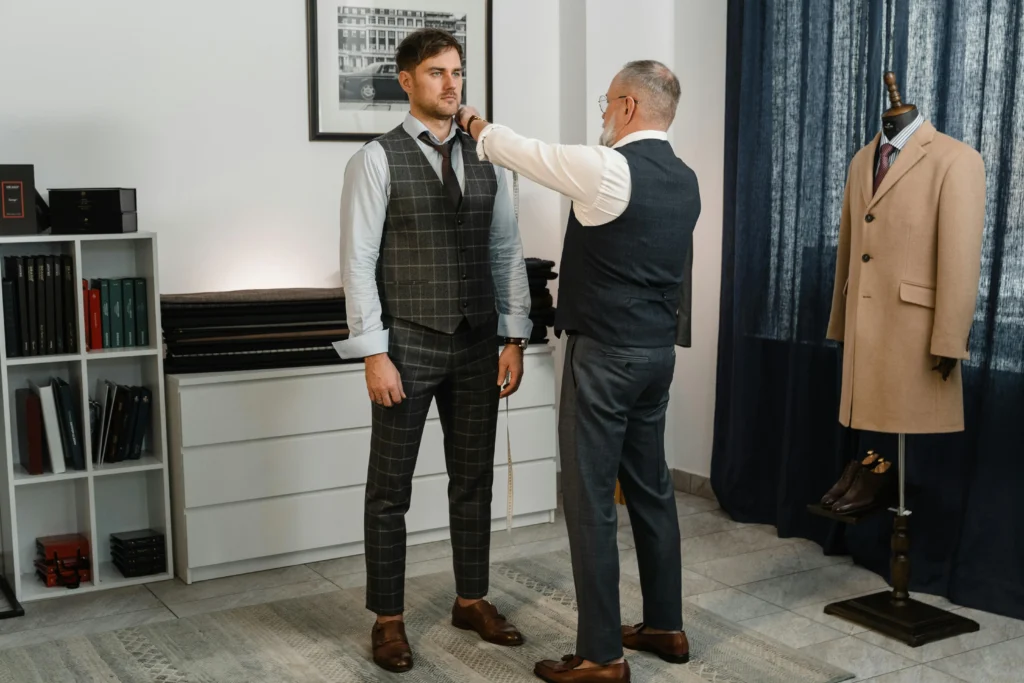
Myth 3: Fashion Help Is Too Expensive
Yes, big consulting firms can charge a lot. But that doesn’t mean all fashion guidance is out of reach.
You can get support in plenty of lower-cost ways:
- One-off sessions with a style coach
- Online workshops on brand building or trend forecasting
- Short-term packages from smaller, independent fashion guides
Spending a little now can save you from spending a lot more later because once you’re clear on your brand, you stop making random, expensive guesses. No more buying inventory that doesn’t sell. No more redesigning your whole site six months after launch.
A quick example: A swimwear brand spent a few thousand dollars on a full photoshoot before getting any outside input on direction. The shoot looked technically nice, good lighting, professional model, clean editing, but it didn’t match the brand’s intended retro beach club feel at all. It looked like a generic swimwear ad. They ended up paying for a second shoot a few months later. A single $150 consulting call before the first shoot, just to nail down the mood board and shot list, would have saved them thousands.
Budgeting for fashion guidance without overspending
- Start with a single paid session, not a package, the first time you work with anyone new.
- Bring a specific question, not a vague “help me with my brand.” Specific questions get specific, usable answers; vague ones get vague, expensive-feeling answers.
- Compare the cost of the session to the cost of a mistake. A $150–$300 session is cheap insurance against a $2,000 photoshoot or a $5,000 inventory order that misses the mark.
- Look for workshops or group sessions if 1-on-1 rates are out of budget; they’re usually a fraction of the price and still cover the fundamentals.
- Reassess after 3 months. If the guidance is clearly paying off (better engagement, fewer wasted purchases, more confident decisions), consider a longer-term arrangement. If not, it’s fine to keep things one-off.
Myth 4: They’ll Make Me Copy Trends
A common fear is that a fashion guide will push you to copy whatever’s currently popular. That’s actually the opposite of what a good one does.
The best guides help you find your own style, not mimic someone else’s. They’ll show you how to:
- Take inspiration without copying it outright
- Add your unique twist to a trend
- Know which trends are actually relevant to your brand and which ones to skip entirely
Trends are everywhere, and it’s easy to feel like you have to chase every single one. But that’s not how brands stand out; it’s how they start looking like everyone else.
A good style guide helps you look at a trend and ask, Okay, how do we make this ours? Maybe you borrow just one detail. Maybe you mix it with something unexpected. Maybe you can simplify it. You don’t ignore trends entirely; you just don’t let them drive the car.
A quick example: When a particular oversized-blazer silhouette was everywhere a few seasons back, a small tailoring brand didn’t just copy the exact cut everyone else was making. Instead, they kept their existing structured, fitted shoulder (their signature) but borrowed the longer, looser hemline from the trend. The result read as on the pulse without losing the thing that made the brand recognizable in the first place.
Using a trend without losing your identity
- Identify the trend’s core appeal. Is it the silhouette? The color? The fabric? Name the one thing people actually like about it.
- Identify your brand’s non-negotiables. What’s the one or two things that make your brand yours, a signature color, a cut, a print style?
- Combine just one trend element with your non-negotiables. Don’t adopt the whole trend wholesale.
- Test it small. Try the trend-influenced piece as a limited drop or single product before committing your whole next collection to it.
- Watch how your existing customers respond, not just new traffic. If your loyal audience still recognizes the brand in the new piece, you did it right.
Myth 5: You Have to Do It All Alone
Yeah, you could do everything yourself. But why make it harder than it needs to be?
Someone with experience can help you skip the guesswork. They know what works, what doesn’t, and how to help you avoid mistakes like:
- Buying inventory that doesn’t match your brand
- Launching a collection that confuses your audience
- Posting content that doesn’t feel like you
A little guidance means fewer random choices, less stress, and more time spent on what actually matters, making things. And honestly, the peace of mind alone is worth a lot.
A quick example: A new sustainable clothing brand spent six months trying to figure out branding, packaging, supplier sourcing, and marketing all at once, completely solo. Burnout hit hard, and the actual product, which was genuinely good, got buried under decision fatigue. A few short consulting sessions, spaced out over those six months, would have given them a clearer sequence: brand identity first, then packaging, then a marketing plan. Doing things in the right order, with a second opinion at each stage, would have saved months of backtracking.
Knowing when to bring someone in
- List your current to-do list for the brand, everything from sourcing to social media to packaging.
- Mark the items you genuinely enjoy versus the ones that feel like a slog or a guessing game.
- For the guessing game items, ask: Would a 1-hour conversation with someone experienced shortcut this?
- Bring in help for those specific items only. You don’t need a full-time consultant, just someone for the parts where you’re stuck.
- Re-evaluate every season. As your brand grows, the areas where you need outside input will shift. What you needed help with at launch isn’t the same as what you’ll need help with at year two.
Extra Benefits You Might Be Overlooking
There’s more to working with a fashion guide than fixing the five myths above. Here are a few upsides that often get missed entirely.
1. Wardrobe Consistency (Yes, For Your Team Too)
It’s not just about the clothes you sell; it’s also about how your team shows up. If you have employees, contractors, or even just people repping your brand at markets and pop-ups, what they wear matters.
Example: A small candle-and-lifestyle brand started asking their market-stall staff to wear a simple, consistent color palette (just neutral tones, no logos from other brands) instead of
whatever’s comfortable. Customers started commenting that the booth looked more put together, almost immediately, a tiny, nearly free change with a real visible payoff.
2. Marketing That Feels Connected
Have you ever landed on a brand’s Instagram and then clicked through to a website that feels like a totally different company? That disconnect erodes trust fast.
A fashion guide helps you build one consistent vibe across every platform, tone, visuals, and styling, all of it talking to each other instead of fighting. Consistency is what makes a brand feel trustworthy, even before someone reads a single word of copy.
3. Smarter Trend Awareness
Trends move fast, and jumping on every single one is a great way to dilute your identity. A style guide helps you filter figuring out which trends genuinely fit your brand and which ones you should let pass by. The goal isn’t to ignore trends, it’s to use the right ones, in the right way, at the right time.
4. Real Brand Confidence
This might be the biggest benefit of all. When your brand actually makes sense visually and creatively, you feel it. Decisions get easier. You stop second-guessing every post, every product, every caption.
You move with more confidence. And confident brands? People notice them.
Quick Recap (Because Lists Are Fun)
- Only for big brands? Nope, small brands benefit just as much, often more.
- Is it just about clothes? False, it’s about your whole brand system.
- Too expensive? Not always even one short session can move the needle.
- Will they make you copy trends? No good guides help you stay unique.
- Have to do it alone? You can, but guidance saves time, stress, and costly mistakes.
Why Fashion Help Actually Works
The truth is, fashion consulting or style coaching, or having a brand buddy, whatever label you want to put on it, isn’t scary or exclusive. It’s practical, hands-on advice that helps your brand:
- Look more cohesive
- Stand out from the crowd
- Build trust with your audience
- Grow faster with fewer expensive mistakes
Even if you’re just starting, a little outside input can go a long way. And the best part? You still make all the final calls. The guide’s job is just to make sure your choices actually make sense together.
FAQ’s
What do fashion consulting firms do?
Fashion consulting firms help individuals and brands build a strong, cohesive identity by guiding style direction, brand positioning, product development, and marketing strategy. Firms like JustLabs Studio work closely with clients to ensure their visual presence, messaging, and collections align perfectly with their brand vision and target audience.
What is fashion brand marketing?
Fashion brand marketing is the strategic process of promoting a clothing or fashion label by building a strong identity, clear messaging, and consistent visual presence across platforms. It combines storytelling, social media, campaigns, influencer collaborations, and brand positioning to attract the right audience and create long-term customer loyalty.
How to build a fashion brand?
Building a fashion brand starts with defining your vision, core values, and what makes your label different, followed by creating a consistent visual identity and high-quality collections that reflect that story. Collaborating with experts like JustLabs Studio can help you strategically shape your branding, marketing, and growth plan for long-term success.
How to market a clothing brand?
Marketing a clothing brand involves defining a clear brand message, creating consistent visual content, leveraging social media platforms, and building strong customer relationships through storytelling and promotions. With expert support from JustLabs Studio, you can craft a strategic marketing plan that increases brand awareness, attracts the right audience, and drives sustainable growth.